
Avogadro is an advanced molecular editor designed for cross-platform use in computational chemistry, molecular modeling, bioinformatics, materials science, and related areas. It offers flexible rendering and a powerful plugin architecture.
Core features and goals of the Avogadro project include:
- Open-source, distributed under the liberal 3-clause BSD license
- Cross-platform, with nightly builds on Linux, Mac OS X and Windows
- An intuitive interface designed to be useful to whole community
- Fast and efficient, embracing the latest technologies
- Extensible, making extensive use of a plugin architecture
- Flexible, supporting a range of chemical data formats and packages
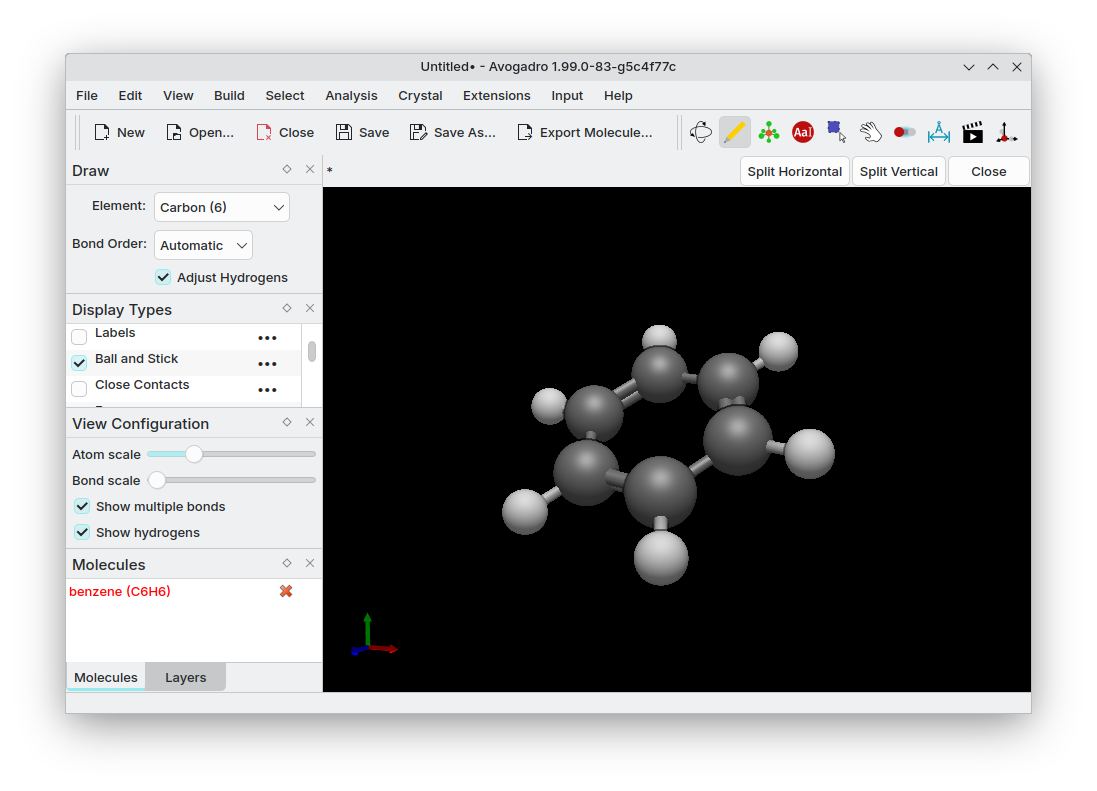
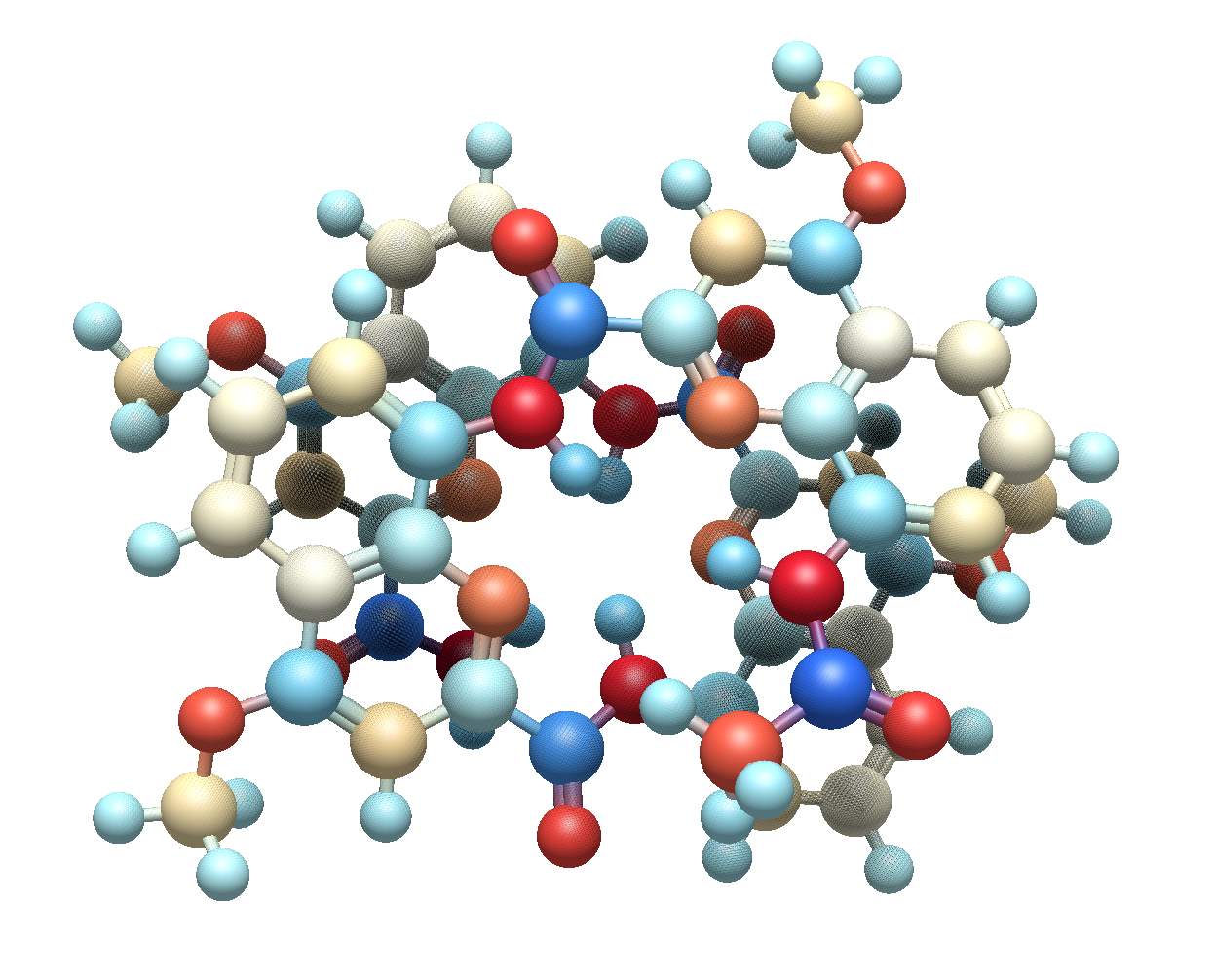
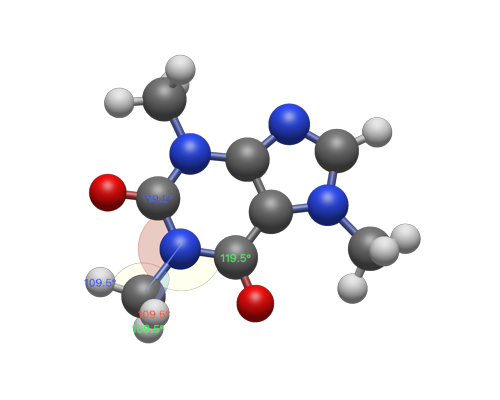
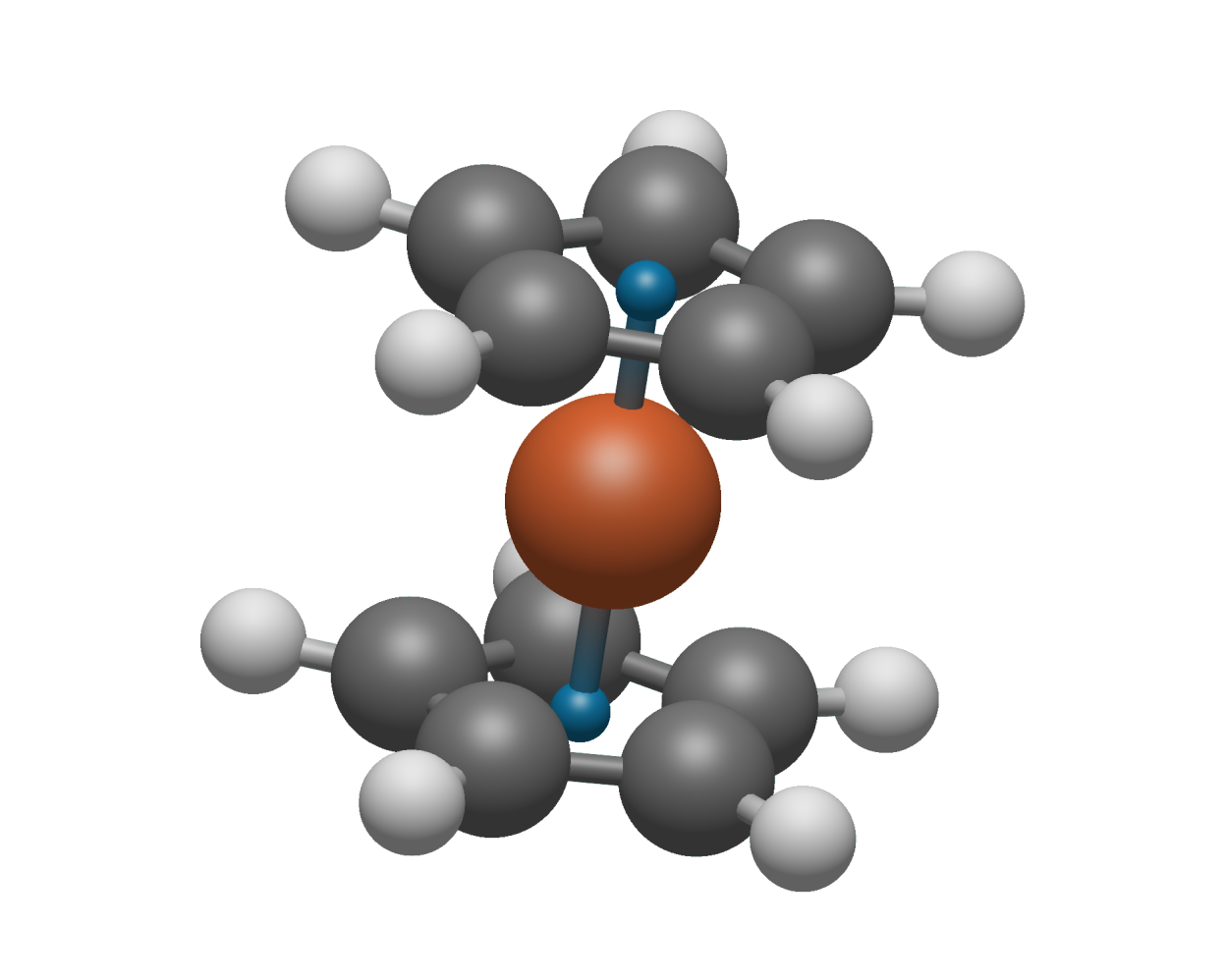
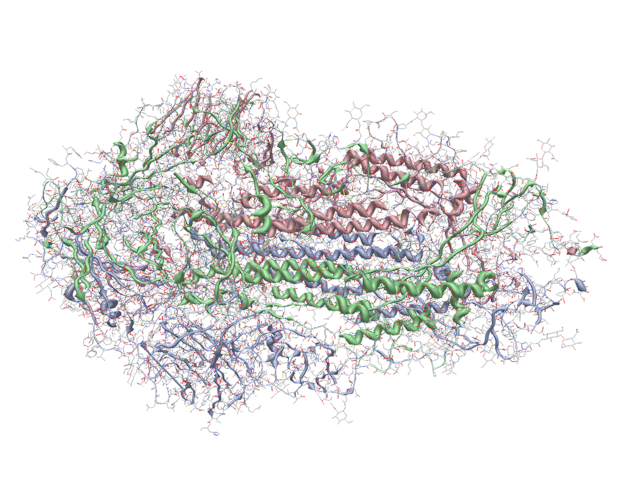
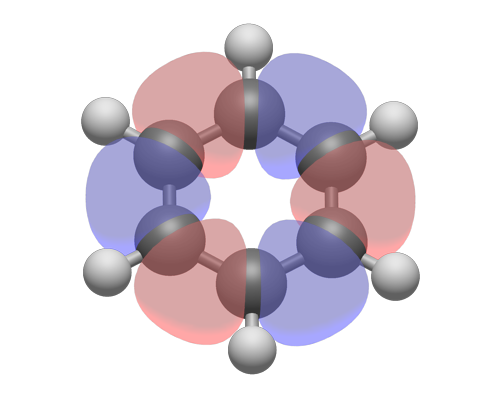
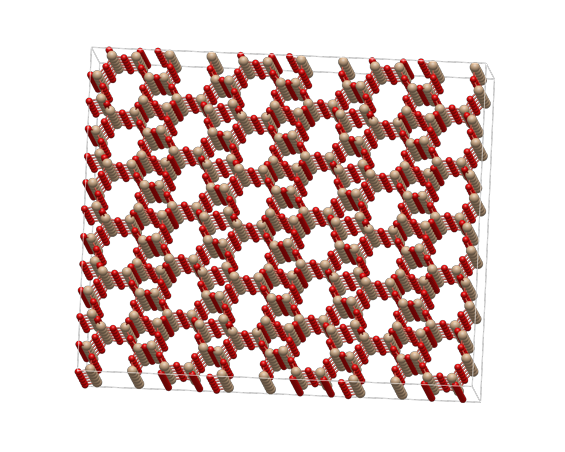
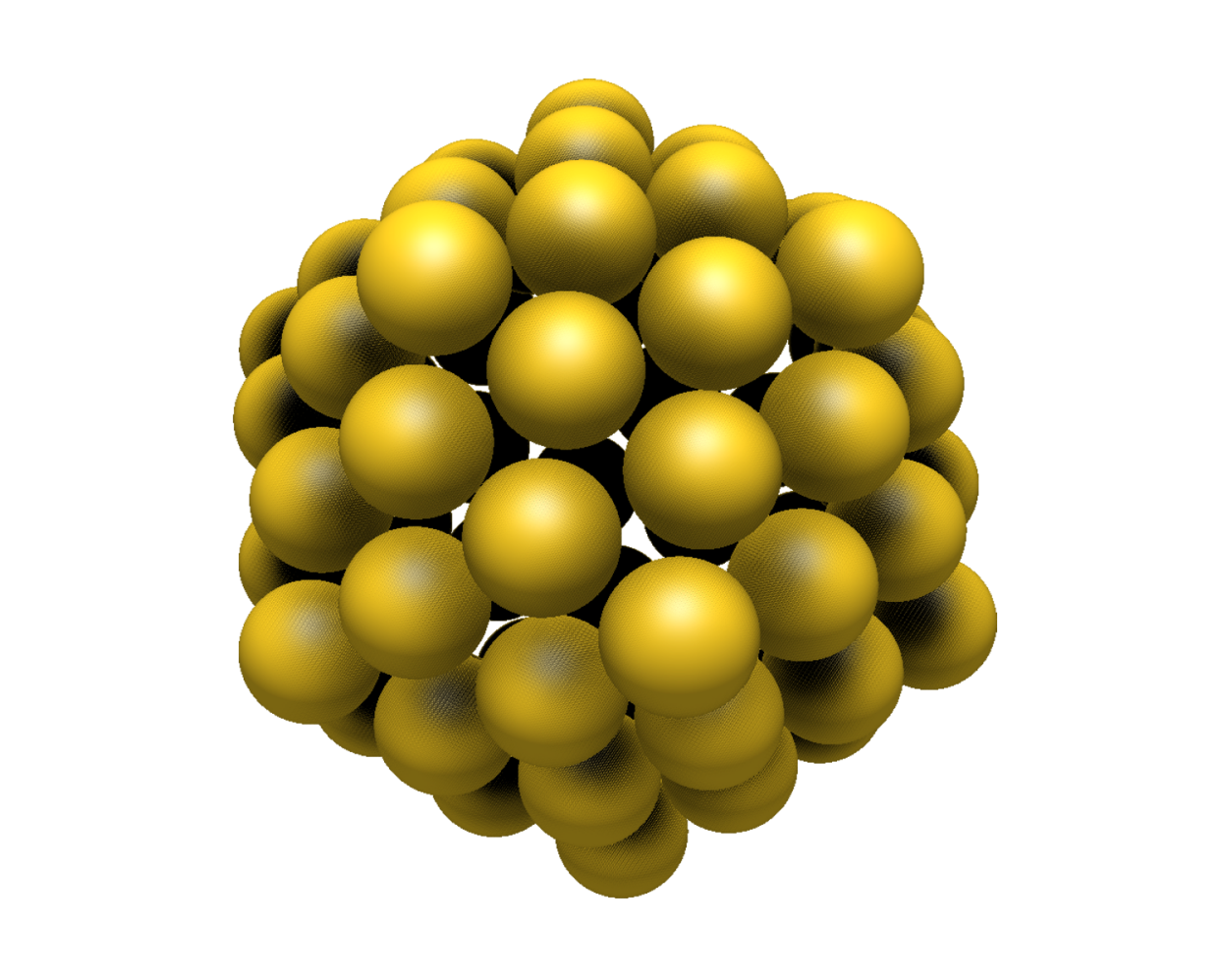
Screenshots
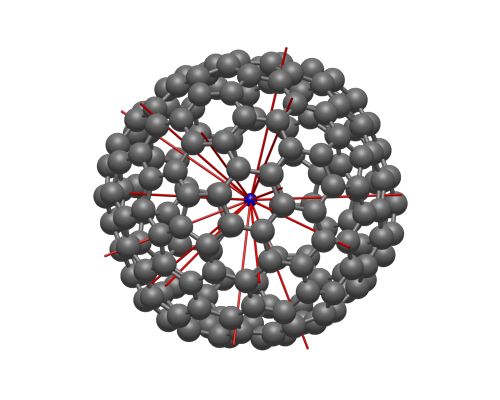
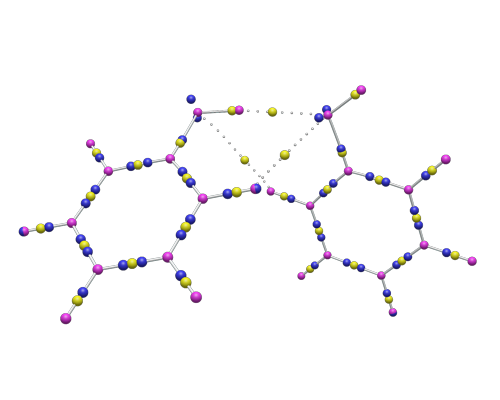
Observed history
| App | Change | Version | When ↓ |
|---|
No observed changes yet.
The initial import establishes a baseline. Future version changes will appear here.
Browse the app catalogue →Upstream releases
Release notes supplied by the developer. These dates are not Flathub package publication times.
2.0.01 Apr 2026
Highlights
- New plugin system will load menu commands, input generators, file formats, energy and electrostatic models, including installation of any required libraries and tools using [`pixi`](https://pixi.prefix.dev/latest/installation/) on Mac and Windows. (Highly recommended on Linux too)
- New plugin install window and index, including over 20 plugins (and growing)
- Faster geometry optimizations ~50% faster on all models, and up to 5-10x faster on large molecules using UFF.
- Added a faster protocol for using external energy models, including ML potentials, XTB, and more.
- Added a simple molecular dynamics mode to the AutoOpt tool, including with energy models.
- Improved ORCA input generator, including syntax highlighting
1.103.06 Feb 2026
Highlights
- Switch to use OpenGL 4.0 core profile for improved rendering speed
- Volumetric rendering style for surfaces (orbitals, electron density, spin density)
- Add peptide builder
- Add keyboard shortcuts for functional groups and ligands to template tool
- Display both alpha / beta orbitals in the orbital window
- Performance optimizations for basis set calculations
- Improved heuristics for opening CIF and crystallographic files
- Update conformer plots for RMSD and energy
- Support for isotope specification for atoms
- Improved LAMMPS and Turbomole support
1.102.127 Oct 2025
Highlights
- This release fixes a number of bugs in the recent 1.102.0 release.
1.102.023 Oct 2025
Highlights
- This release is intended as a final beta before a 2.0 stable release
- Add the popular auto optimize tool
- Updated charts, including spectra using the JKQtPlotter framework
- Use `pixi` if available to install Python and plugins
- A pile of bug fixes, updated language translations, and more